Reduce the impact of receiving a positive HPV test result.

TITA is the first application for mobile devices that provides evidence-based information for:
TITA is the meeting point for a community of women to access information, experiences and support.
Why Tita?
Previous studies conducted by our multidisciplinary team have shown that cell phone communication is an effective tool to improve the process of cervical cancer prevention, thus advancing towards the goals of elimination of the disease established by the World Health Organization.
TITA is another step in the use of information and communication technologies to get more HPV-positive women into the care process.
The name TITA is a tribute to the beloved singer and actress Tita Merello, remembered for her voice in the tango Se dice de mí and for having participated in the first Argentine film ¡Tango! among many other works. In 1980, after receiving a positive Papanicolaou test, she underwent surgery at the Hospital de Clínicas and then continued with the treatment. Tita understood that early detection thanks to this test had saved her life and decided to spread its importance in the media. Her iconic voice and the phrase that became her trademark are still remembered today: “Woman, girl, get a Pap smear”.

Also, in many Latin American countries Tita means “aunt” and refers to the aunt in the family who is wise, who has a vast experience in life and we can contact her when we have a problem or a question.

What do we offer?
The content of the App is organized in sections:
Information: provides evidence-based facts about HPV and cervical cancer prevention specific to each step of the care continuum, explained in clear and accessible language.
Question Wall: A safe and trusted space where clients can share their questions about their health care, the steps to follow after an HPV test result and the care process. It seeks to promote the exchange of reliable and personalized information, encouraging autonomy in one’s own care.
Step-by-step diary: provides reminders about scheduled medical appointments and stores the history of their journey. In addition, for each milestone in the scheduled care process, the woman receives information related to the stage of her care process.
Stories and testimonials: includes stories about HPV and cervical cancer prevention and testimonials with the experience of HPV-positive women.
Wall of Experiences: The exchange of experiences strengthens mutual support and generates a network of trust and solidarity. Therefore, this is a space designed for users to share their experiences, emotions and lessons learned during the care process. Through first-person testimonies, this section allows them to feel accompanied, to recognize that they are not alone and to find inspiration to follow the recommended care steps.
DESIGN
Information architecture and implementation strategy
Formative research was conducted on women’s preferences about content and formats. Participatory design sessions were carried out with the users.
For the design of the implementation strategy, interviews were conducted with health professionals in charge of the screening. We inquired about the barriers and facilitators for the implementation of the application offered in the consultation.
Publications
Downloadable material


DEVELOPMENT
Software, multimedia content and usability testing
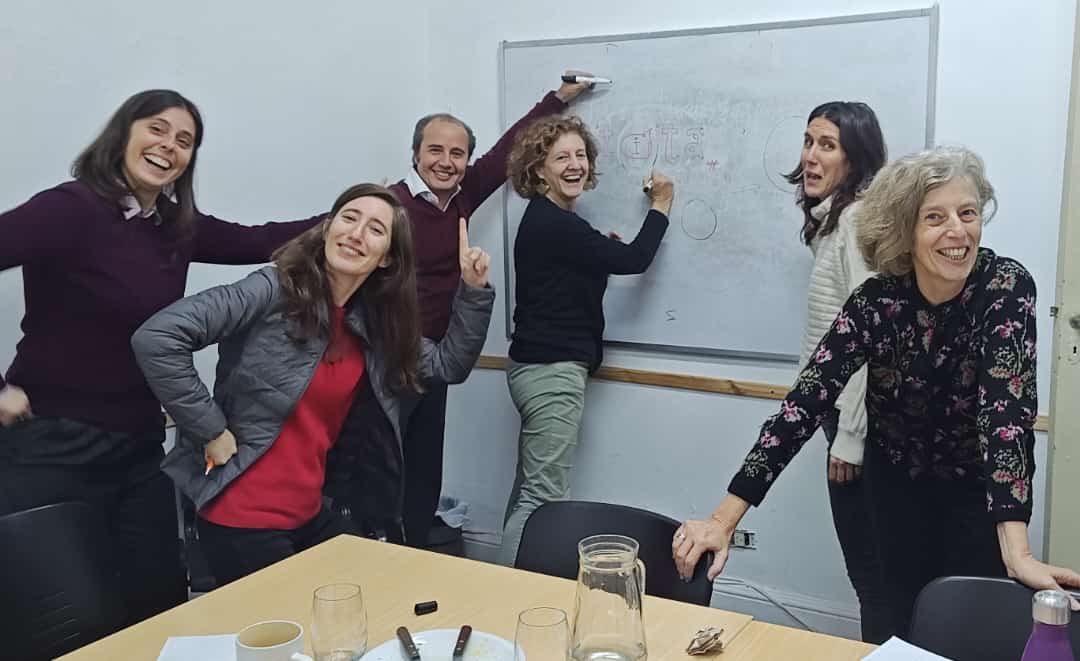
A multidisciplinary team produced written, graphic and visual content, guided by the format, writing style and tone preferences of the women surveyed in phase 1. The content was reviewed by medical experts, the team of international co-investigators and members of the Advisory Board.
The application software was based on the information architecture developed in previous studies, with improvements and the addition of new functionalities.
At this stage, the application was tested to evaluate content comprehension, usability and satisfaction with its navigation. Those who will use it as a consultation tool were consulted: women and health professionals.
Images


IMPLEMENTATION
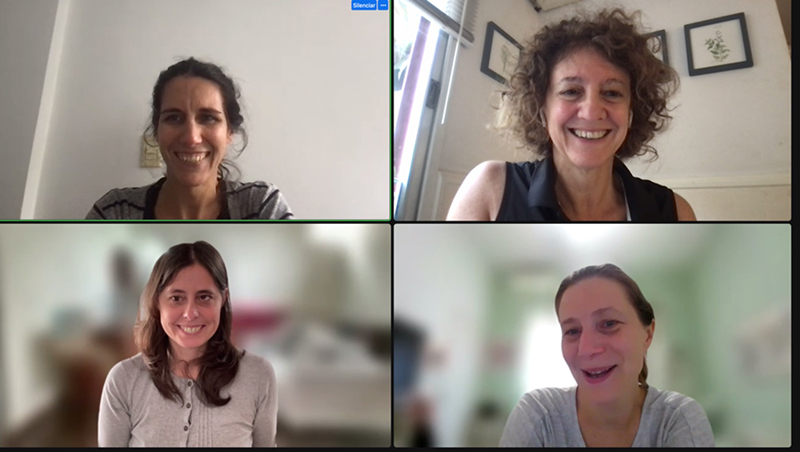
Evaluation of Tita app in health centers in the Metropolitan Area of Buenos Aires.
The implementation of the Tita app as a tool for communication between women and health professionals during the consultation will be analyzed.
A pilot study will be conducted in health services in the municipality of Ituzaingó, where the implementation, effectiveness, acceptability and feasibility for future scaling will be evaluated.

Images

Who we do TITA
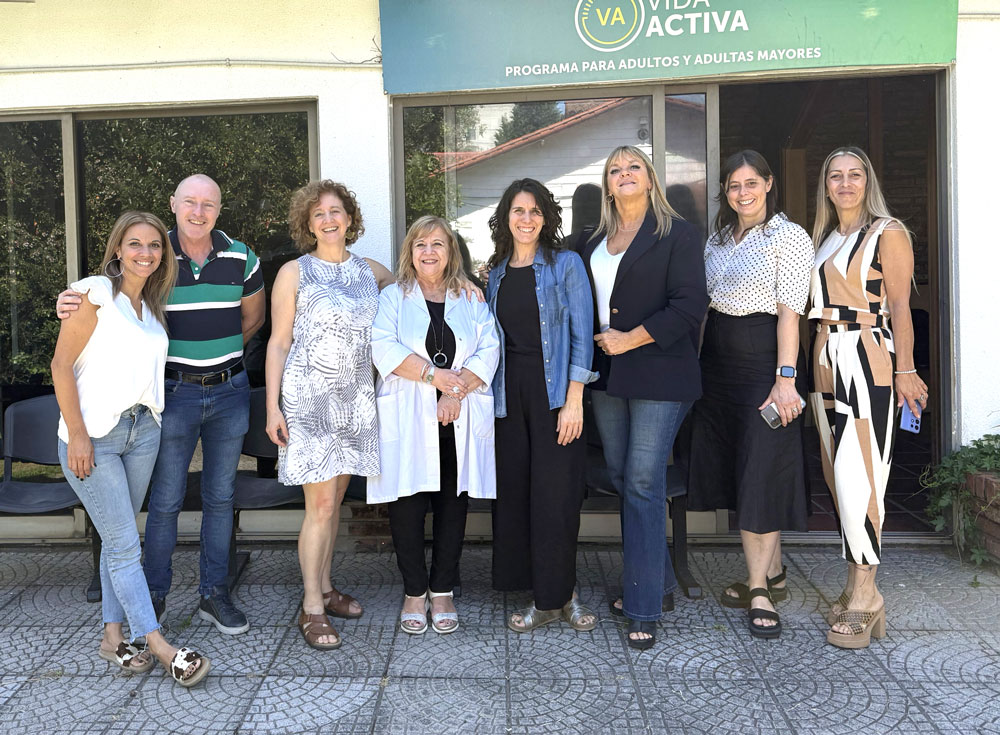
This study is led by researchers from the Centro de Estudios de Estado y Sociedad (CEDES) and the Consejo Nacional de Investigaciones Científicas y Técnicas (CONICET). It is supported by the Sociedad Argentina de Patología del Tracto Genital Inferior y Colposcopia, the Liga Argentina de Lucha contra el Cáncer (LALCEC) and the Municipality of Ituzaingó.
Financing
The development of the App has been funded by the following institutions:
Conquer Cancer Foundation of the American Society of Clinical Oncology: 2020 Conquer Cancer International Innovation Grant (2020 – 2021)

National Cancer Institute, Argentina (INC): Research Grant (2022)

National Cancer Institute of the National Institutes of Health of the United States (NCI-NIH): R.21 Grant (2023 – 2025)

National Cancer Institute of the National Institutes of Health of the United States (NCI-NIH): Grant R.33 (2025 – 2028)
In addition, the project has a group of international researchers and an Advisory Board with extensive experience in cervical cancer prevention.
International collaborators
Kasisomayajula “Vish” Viswanath
Professor, Department of Medical Oncology, Department of Social and Behavioral Science, Dana-Farber Cancer Institute Harvard T.H. Chan School of Public Health
–
Maribel Almonte
Researcher, Department of Sexual and Reproductive Health – WHO
–
Armando Baena
Researcher, National Cancer Institute / National Institutes of Health (NCI/NIH)
–
Prajakta Adsul
Consultant of the WHO for Implementation of Cervical Cancer Screening Guidelines; Assistant Professor, Division of Epidemiology, Biostatistics, and Preventive Medicine, Department of Internal Medicine, University of New Mexico Comprehensive Cancer Center
–
Raúl Murillo
Director, Centro Javeriano de Oncología – Hospital Universitario San Ignacio, Faculty of Medicine, Pontificia Universidad Javeriana, Colombia
Advisory Board
Silvana Luciani
Director, Unit of Non-Communicable Diseases, Violence Prevention and Trauma, Pan American Health Organization – PAHO/WHO
–
Mauricio Maza
Regional Advisor, Cancer Prevention and Control Noncommunicable Diseases and Mental Health – PAHO/WHO
–
María Alejandra Picconi
Head of Oncogenic Viruses Laboratory HPV National and PAHO Regional Reference Laboratory for the WHO HPV LabNet National Institute of Infectious Diseases-ANLIS “Dr. Malbrán” Argentine Ministry of Health.
–
Silvia Ferroni
Coordinator of the prevention team of the Provincial Cancer Institute of the Ministry of Health of the Province of Buenos Aires
–
Andrés Roberto Humphreys
President of the Argentine Society of Lower Genital Tract Pathology and Colposcopy (SAPTGIyC)
–
María Cristina Espil (Presidenta)
Martín Fleming (Director Ejecutivo)
Argentine League for the Fight Against Cancer, LALCEC
–
Mónica Petracci
Coordinator of the Working Group on Communication and Health, Gino Germani Institute, University of Buenos Aires.
–
Florencia Salort
Gynecologist and university professor at the Italian Hospital in Buenos Aires. Social media influencer on gynecological health.
–
Eduardo Cazap
President of the Latin American and Caribbean Society of Medical Oncology (SLACOM)
Red de Institutos e Instituciones Nacionales del Cáncer (RINC-SLACOM)
–
Luis Paul
Consultant National Cervical Cancer Prevention Program (PNPCCU) – INC National Cancer Institute National Ministry of Health
–
Alejandro Calderón Céspedes
Coordinator, Health and Social Security Research Department, Costa Rican Social Security Fund
–
Alberto Mobrici
Coordinator Integral Center for Sexual, Women’s and Diversity Health, Undersecretary of Health, Municipality of Ituzaingó, Province of Buenos Aires
–
Milca Cuberli
Professor, University of Buenos Aires (UBA)/ University of Hurlingham (UNAHUR)
–
Mariela Ronconi
Undersecretary of Health, Municipality of Ituzaingó, Province of Buenos Aires
–
Rolando Herrero
Scientific Director of ACIB-FUNIN, Costa Rica
–
Silvio Tatti
Full Member, National Academy of Medicine, Argentina
–
The mobile application for the prevention of cervical cancer was declared of provincial interest by the Government of the Province of Buenos Aires through the Ministry of Production, Science and Technological Innovation.